

How to Share Family Burial Plots Between Generations
November 14, 2025
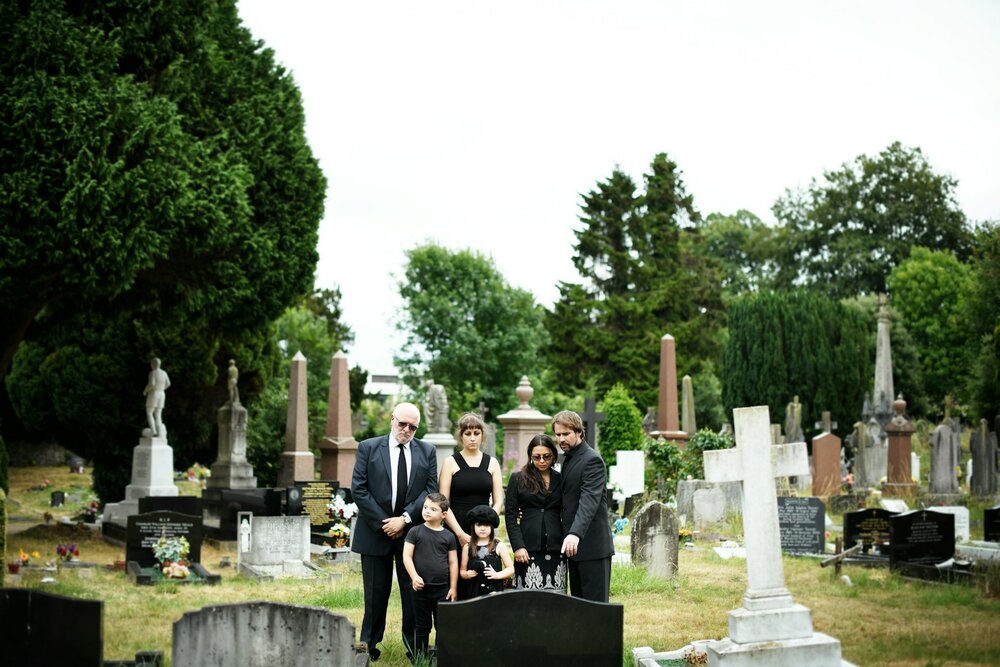
When families think long-term, one of the more meaningful things they can do is plan how they’ll be remembered together. A shared family burial plot offers a way to preserve those connections across generations. These plots aren’t just about space, they’re about legacy. They give families the opportunity to remain side by side while making it easier for loved ones to visit, reflect, and honour their history.
As more families in Ottawa look for ways to secure a future resting place for themselves and the people they care about, questions around how to share these spaces start to surface. Who decides how the spots are divided? What records need to be kept? How do you make room for change as the family grows or shifts? These are all important things to think about when managing or choosing family burial plots for a new generation.
The Benefits of Family Burial Plots
Sharing a burial plot creates lasting emotional ties and practical peace of mind. At its core, it’s about staying connected, not just for now, but for many years to come. When families choose to rest together, it sends a message about unity and shared values, even after life.
Here’s a closer look at why many families choose to go this route:
- Emotional comfort: Knowing that loved ones will remain close together brings a deep sense of reassurance. It can ease the grief process for those left behind and help them feel supported by family history.
- Simpler planning: Having plots secured in one location avoids the confusion that can pop up when decisions are made last-minute. It also makes future arrangements much easier for children or grandchildren.
- Regular connection: Family and friends are more likely to visit when everyone is in one place. It becomes a shared space to reconnect with the past.
- Cost-effective use of space: While each plot requires investment, group arrangements often allow better use of land and amenities.
- Built-in legacy: When everyone is together in one location, it helps create a living memorial that reflects multiple generations of family memories.
For example, multi-generation families in Ottawa sometimes arrange shared plots where grandparents, parents, and adult children make decisions as a group. They meet every few years to review the plans, update contacts, and ensure everything is still aligned with everyone’s wishes. This type of teamwork helps keep intentions clear and avoids confusion later on.
Planning for Multi-Generational Use
Once the decision is made to focus on a shared plot, practical choices begin to take centre stage. Questions come up quickly. How many spaces are needed? Who gets what location? What if someone moves or changes their plans? These early conversations are where most families get stuck, but having a plan now saves stress later.
It helps to make space planning a collaborative effort. Talk with relatives across generations about their hopes and expectations. Decide early whether remains will be buried, placed in a columbarium, or marked with shared headstones. This shapes how the available space is used and avoids surprises.
Here are some tips to lay the groundwork properly:
1. Count possible future needs: Go beyond immediate family and consider anyone who might wish to be included down the road.
2. Think about layout preferences: Would the family prefer side-by-side plots, groupings in sections, or a row format? Keep mobility and walkways in mind.
3. Document all decisions: Write down preferences, approvals, and alignment. Store this record somewhere easy to access and update.
4. Set a review schedule: Families grow and change. Revisit the plan every few years to confirm that everyone is still in agreement.
5. Appoint a family lead: Choose someone to keep track of the plan and act as the contact point if anything needs adjustment.
Keeping communication open is what makes this work long-term. When one generation hands the plan to the next, the transition should feel smooth, not like starting over. Thoughtful early choices make that possible.
Legal and Logistical Considerations
When families start planning how to divide and use a shared burial plot, legal steps can’t be overlooked. Even if everyone agrees on how they’d like things to go, it’s still important to have those decisions tied to proper documents. That’s what protects the plan later, especially if disagreements or changes come up over time.
The most important thing families in Ottawa should do is figure out who holds the official rights to the plot. This is usually called the interment rights, and more than one person can be listed depending on the cemetery’s policies. Once that’s sorted, the rights holders have the ability to make decisions about who may be buried there and how the plot is managed.
Clear documentation helps keep everything in order. Families should keep records such as:
- A copy of the cemetery agreement or deed
- A list of approved family members included in the plan
- Written updates when any decisions change over time
- Notes from family meetings related to burial preferences
- Details about any restrictions or cemetery rules
It’s also smart to put a written family agreement in place. This can outline who’s responsible for keeping the plan current, what to do if someone no longer wants to be included, and how decisions will be made in the future. It doesn’t have to be a formal legal contract, but having something in writing supports long-term peace and helps avoid confusing situations for the next generation.
Maintaining and Preserving Family Burial Plots
Once a shared family plot is in use, the focus shifts toward upkeep and care. Having family members buried in one place brings people together more often, and with that comes an interest in how the area looks and feels. It isn’t only about cleaning markers or trimming grass, it’s about treating the space with care and intention.
Families that consistently maintain their burial plots don’t all follow one method, but many of them follow some general habits that keep everything respectful and pleasant for visiting:
- Schedule seasonal cleanups: Weather in Ottawa can put extra stress on headstones, flower arrangements, or landscaping. A few hours each spring and fall can go a long way.
- Use long-lasting greenery: Small shrubs or stone planters are easier to manage than delicate flowers and offer a steady look through the seasons.
- Share the responsibility: One person doesn’t need to manage the entire plot. Rotate tasks or assign yearly care leads to share the duty.
- Check for wear or damage: Report anything that needs correction, like leaning headstones, fading engravings, or worn-out benches, to the cemetery office.
- Keep traditions alive: Whether it's placing certain flowers on birthdays or gathering around the plot once a year, small acts of remembrance add personal value and keep the legacy strong.
By treating the shared plot like a family asset, relatives build pride around it. Maintaining it becomes a shared activity instead of a solo burden. As kids grow up and new branches of the family are added in, this care culture carries on alongside the names etched in stone.
Continuing Family Traditions in Ottawa
Ottawa families often bring their heritage into their burial choices. From the type of headstone materials to the symbols chosen for marking plots, local culture plays into how families approach memorial planning. For some, it might be tying in faith-based customs. For others, it’s keeping language or artwork present in the design. A family plot gives that cultural foundation a shared home base.
As generations go by, these traditions become easier to maintain when they’re woven into the burial space itself. Families visiting in November to mark Remembrance Day or gathering at the end of October for All Souls’ Day often look to pass down those same practices. Having a central family space makes it easier to bring together both history and ritual.
Many Ottawa families have strong ties to neighbourhoods, community roots, or immigrant backgrounds. A burial plot that reflects that identity through choice of names, engravings, or use of language becomes more than a place to remember. It becomes part of the family story.
Honouring Your Family’s Legacy
When families put care into how a shared plot is passed down, they’re doing more than saving space. They’re giving younger generations something to hold onto. Whether it's a child stopping by on a weekend or a grandchild learning about ancestors, that connection can carry far across time.
Even when families spread across regions, a shared burial plot in Ottawa stays fixed, steady, known, and available when people want to feel close again. It’s more than grounds and stone. It’s a foundation.
Taking the time to plan early and maintain those choices gives future family members a map of where they came from. It helps make sure memories last beyond storytelling and gives a physical place for reflection. With some planning and open conversation, families can shape a legacy that feels personal, respectful, and true to who they are.
To honour your family’s past and plan for a meaningful legacy, it's a thoughtful choice to consider family burial plots that serve generations. This not only keeps loved ones together but also helps preserve family traditions and stories. For guidance on how to move forward, reach out to Highland Park Cemetery for support every step of the way.
Highland Park Cemetery
2037 Mcgee Side Road,
Carp, Ontario K0A 1L0
Telephone: (613) 831-4600
info@highlandparkcemetery.ca
